


Contact Information
Telephone: +8613345960713
WhatsApp: +8613738401601
E-mail: info@apepac.com
Website: www.apepac.com
- ✓Latest Offering
- ✓New Products
- ✓Insider Insights
- ✓Business Dynamic
Sustainable packaging is transforming the disposable foodservice industry. As a business owner, you know that consistent quality, cost-effectiveness, and environmental compliance are the key.
In this guide, we introduce bagasse tableware an eco-friendly alternative made from sugarcane residue—and explain why it matters for your business.
Today’s eco-aware market demands reliable, sustainable solutions that reduce waste and comply with food safety regulations. We pride ourselves on consistent quality, fast response, and reasonable pricing in sustainable food packaging solutions.
As reading is not an easy thing nowadays, I promise you that I will do my best to simplify this post, adding multimedia for easy reading. So follow me; Let’s dive in.
Table of contents:
1. What Is Bagasse Tableware
2. Advantages Of Bagasse Tableware
3. Benefits Of adopting Bagasse Tableware
4. The Brief Manufacturing Process
5. Simple Guide For Beginner’s Bagasse Business
6. How To Break Down: Disposal & Composting
7. Case Studies
8. Wrap Up
9. Frequently Asked Questions
1. What Is Bagasse Tableware?
No fluffy words, a clear and simple definition about bagasse as follows:
“Bagasse is the fibrous residue left after sugarcane juice extraction-plant fiber material.”
No longer destined for burning or discarding, this agricultural byproduct is now being repurposed into eco-friendly plates and food containers.
The material offers remarkable environmental benefits, being not just renewable but also fully compostable(especially with an industrial composting facility).
It decompose completely without leaving harmful residues, making it an ECO alternative to conventional single plastic or styrofoam packaging.
Eco-conscious businesses are increasingly adopting sustainable food packaging options like sugarcane fiber plates due to their environmental responsibility and quality performance.
These compostable plates provide a sturdy, heat-resistant feature that aligns with growing demand for sustainable-concerned food packaging, effectively balancing the convenience and environmental protection.
What advantages are there compared to traditional plastic or styrofoam ones?
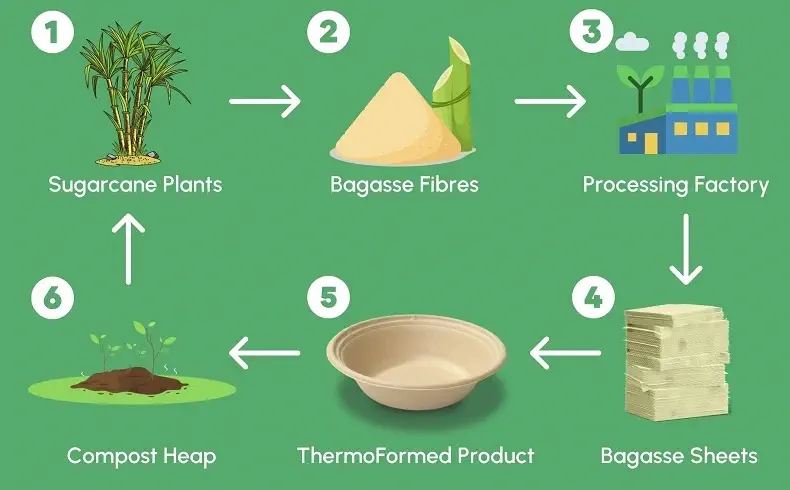
2. Advantages of Bagasse Tableware
Here several eco-advantages that you can check with:
- Compostability:
Bagasse plates decompose within 60–90 days under composting conditions. In contrast, plastic ones can take hundreds of years to break down.
- Renewable Resource:
Bagasse is a byproduct of sugarcane, a quickly growing crop. The use of bagasse reduces the waste footprint and promotes a circular economy.
- Lower Carbon Footprint:
Producing bagasse tableware uses less energy and water than plastic, lowering greenhouse gas emissions and big environmental impact.
- Safety In Food Use:
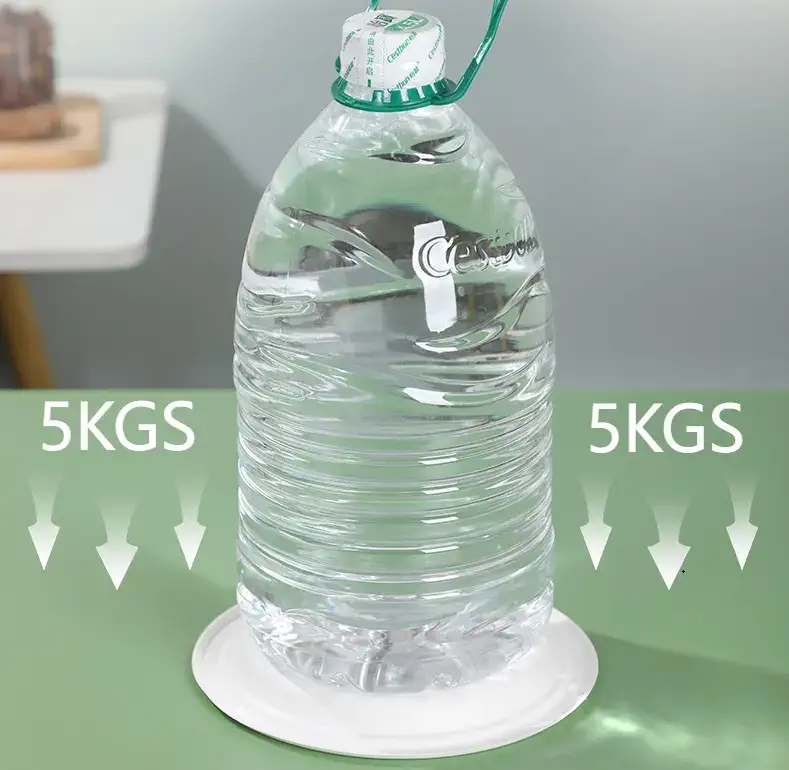
Bagasse tableware is safe for food use, free from harmful chemicals like BPA, and maintains excellent performance in food carrying and delivery.
For takeaway, a table of feature comparison in bagasse, plastic, paper as below:
| Feature | Bagasse Tableware | Plastic Tableware | Paper Tableware |
|---|---|---|---|
| Compostability | Industrially compostable (60-90 days) | Could Persists for hundred years | Varies; often have coating flim |
| Renewability | Made from sugarcane byproduct | Derived from non-renewable fossil fuel | Made from trees (unsustainable) |
| Durability | Sturdy, heat-resistant | Very durable but inflexible | Less durable; prone to sogginess |
| Environmental Impact | Low; supports circular economy | Very high; significant waste | Moderate; deforestation risk |
| General Cost | Moderate upfront; long-term benefits | Low upfront,extremely high in long run | Low to moderate cost level in overall |
3. Benefits Of Using Bagasse Tableware Alternative
Adopting bagasse tableware for your disposable food packaging business offers a multitude of benefits, positioning your brand as both eco-conscious and competitive. Here overview:
3.1. Environmental Sustainability
- Waste Reduction: Utilizes sugarcane byproduct, repurposing agricultural waste into valuable products.
- Compostability: Decomposes within 3 months in industrial composting facilities, reducing landfill and pollution.
- Carbon Footprint: Requires less energy to produce than plastic or paper, and is derived from renewable sugarcane.
3.2. Regulatory Compliance
- Avoids Plastic Bans: Meets growing global restrictions on single-use plastics, future-proofing your business.
3.3. Consumer Appeal
- Eco-Conscious Market: Attracts environmentally aware customers seeking sustainable alternatives.
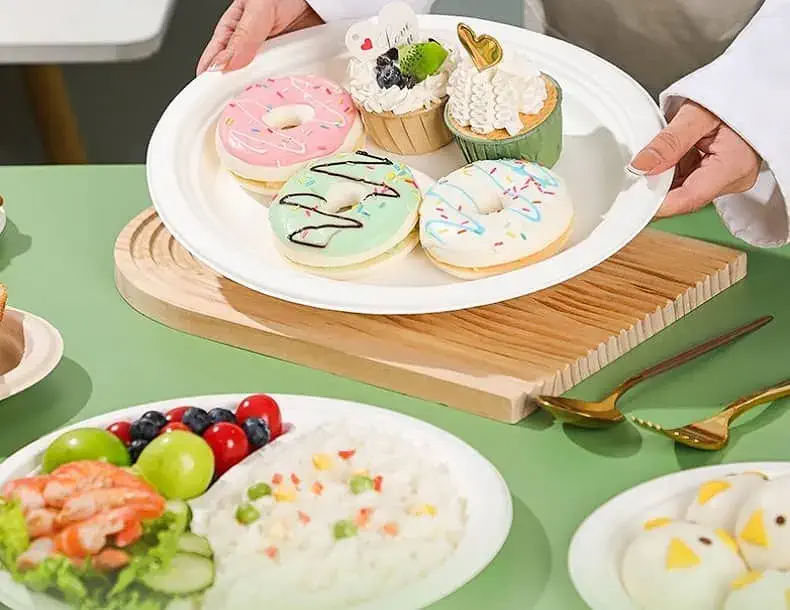
- Versatile Functionality: Resists heat, grease, and moisture, suitable for hot meals, soups, and oily foods. Microwave and freezer-safe, enhancing convenience.
3.4. Brand Reputation
- Differentiation: Positions your brand as a leader in sustainability, appealing to green certifications and eco-friendly partnerships.
- Marketing Badge: Certifications like ASTM D6400 or EN 13432 add credibility, allowing you to highlight compostability and safety.
3.5. Economic Benefits
- Cost Efficiency: Higher initial costs than plastics are offset by scalability and lower regulatory risks, boosting long-term viability.
- Market Growth: Taps into the expanding eco-friendly packaging market, projected to grow significantly.
3.6. Operational Advantages
- Durability: Sturdy construction reduces leakage risks, enhancing customer satisfaction.
- Renewability: Sugarcane is rapidly renewable, ensuring a steady supply chain in major regions.
3.7. Challenges to Consider
- Composting Infrastructure: Requires access to industrial facilities for optimal decomposition, though home composting is possible in smaller scale.
Bagasse tableware aligns with environmental goals, regulatory trends, and consumer preferences, offering a strategic advantage in the growing eco-packaging market.
By emphasizing sustainability, functionality, and compliance, your business can polish its brand image while contributing to a circular economy. Level up your foodservice packaging business to sustainability goal.
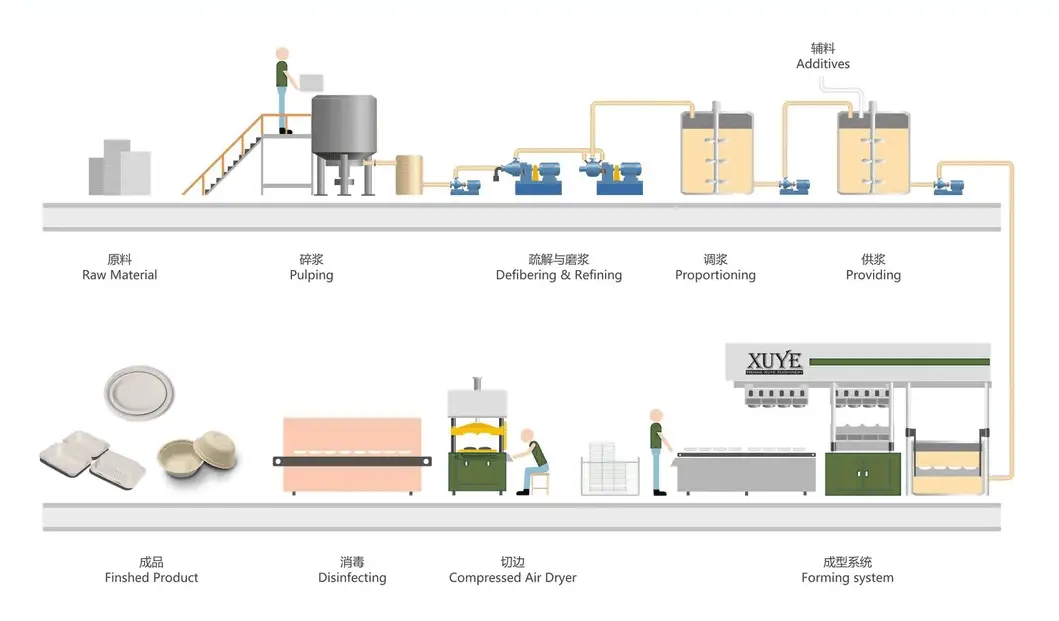
4. Brief Manufacturing Process of Bagasse Tableware
Understanding the manufacturing process helps see why bagasse is a sustainable choice. Here’s a brief step-by-step look at how sugarcane residue becomes durable tableware:
- Collection:
After sugarcane juice is extracted in mills, the fibrous bagasse residue is carefully collected from processing facilities. This initial step prevents agricultural waste and sets the foundation for sustainable tableware production.
- Pulping:
The collected bagasse undergoes thorough washing to remove any remaining sugar and organic residues. The material is then mechanically pulped into a uniform, wet slurry, breaking down the fibers and preparing them for molding.
- Screening:
The pulped bagasse slurry passes through fine mesh screens that remove any remaining impurities or inconsistent fiber fragments. This screening process ensures a homogeneous material with optimal structural integrity for subsequent manufacturing stages.
- Molding:
The refined pulp is poured into specialized molds designed for different tableware shapes like plates, bowls, and clamshells. High-pressure hydraulic presses apply consistent temperature and force to compact the fibers into sturdy, well-defined shapes.
- Drying:
Freshly molded products are placed in drying chambers that carefully remove moisture while maintaining the structural integrity of the bagasse items. After drying, the products undergo sterilization to ensure they meet food safety and hygiene standards.
- Check & Pack:
Each product is carefully inspected for structural consistency, strength, and potential defects. Approved items are then packaged, prepared for distribution to eco-conscious businesses and consumers seeking sustainable food service solutions.
5. A Simple Guide to Beginner’s Bagasse Business
For businesses new to sustainable packaging, here are some tips for choosing the suitable eco-friendly disposable tableware:
- Identify Your Needs:
Carefully assess the specific food service requirements of your business, considering the temperature, consistency, and presentation of your menu items.Bagasse tableware offers remarkable versatility, performing exceptionally well with hot and cold foods, and showing superior performance with greasy or liquid-based dishes.
- Evaluate Durability and Cost:
Although bagasse tableware may initially appear more expensive compared to the plastic one, the long-term environmental and brand benefits significantly outweigh the upfront investment. These sustainable products not only reduce waste but also enhance your brand’s reputation by demonstrating a genuine commitment to eco-responsibility.
- Procurement Tips:
When selecting a reliable supplier, prioritize partners who demonstrate comprehensive compliance with compostability standards and offer flexible procurement options. Seek vendors who provide responsive customer service, adaptable payment terms, and a collaborative approach to meeting your specific packaging needs.
The above are just very general key ideas to catch. I will compose another comprehensive guide article that provides an in-depth checklist for making informed purchasing decisions, starting from the very beginning of the process. Key criterias to purchasing decision in table:
| Criteria | Key Considerations |
|---|---|
| Material Sustainability |
1. Certified Material (FSC, BPI, OK Compost, TÜV Etc). 2. Free from harmful chemical additive (BPA, PFAS Etc). |
| Product Excellence | 1. Microwave & freezer-safe, grease & leak-proof option. |
| Aduit & Certifications |
1. Quality audits & certifications (BRC, HACCP, BSCI). 2. Compliance with food-contact safety regulations. |
| Customized Order |
1. Accept customized order with special design. 2. Private labeling and OEM services available. |
| Pricing Strategy |
1. Reasonable pricing with minimum order quantities. 2. Discount Strategy of bulk purchasing in long-term. |
| Production & Shipping |
1. Stable mass production and punctual lead time. 2. Reliable logistics and global shipping capability. |
| Support & Service |
1. Quick response & provide solution. 2. Free sample for quality evaluation. |
6. How To Break Down: Disposal & Composting
Sustainable tableware aims to decompose naturally within a short timeframe, but the current reality falls short of this ideal, despite ongoing technological advancements.
Although bagasse tableware is marketed as environmentally friendly product, its actual breakdown in natural settings is far from its aim.
The promised 90 day decomposition period is unachievable without proper composting infrastructure. Consequently, understanding the simple bagasse composting process is crucial for genuine sustainability.
- Composting Process:
Within industrial composting facilities, these sustainable products can achieve full decomposition in approximately 90 days, thanks to optimized environmental conditions.Home composting systems present a more variable scenario, with breakdown potentially extending beyond the set time frame due to less consistent temperatures and controlled microbial activity.When left in natural environments without specific composting conditions, the degradation process can be greatly prolonged, presenting the product’s eco-friendly claims less immediate and impactful. - Proper Disposal:
To optimize environmental sustainability, we strongly advise disposing of bagasse tableware exclusively through dedicated composting facilities.In the absence of such infrastructure, ask local waste management guidelines to determine potential compatibility with yard waste composting streams.While disposing directly in natural environments is discouraged, it’s important to recognize that bagasse tableware represents an eco-friendly alternative to plastic tableware. - Best Practices:
Bagasse tableware offers an ECO alternative to traditional disposables. Its plant-based fiber composition makes it suitable for composting when properly prepared.Before composting, thoroughly clean the tableware by removing all food residues to facilitate faster decomposition. This step ensures the composting process remains efficient.Proper disposal of bagasse tableware helps to reduce waste and support waste management. Users can assist in converting it into nutrient-rich compost by following simple guidelines.
Check out this informative video on municipal waste sorting system – it clearly demonstrates how to properly dispose of and categorize items into three streams: Recycle, Compost, and Trash.
7. Case Studies
Several organizations have successfully implemented bagasse tableware, demonstrating significant environmental and economic benefits. It highlights the strategic advantages and benefits of sustainable material choices.
- Google Campus Cafeteria (California, USA)
Switched entirely to bagasse tableware in 2022
Reduced plastic waste by 78% annually
Achieved substantial waste management cost reductions
- Marriott International Hospitality Group
Implemented bagasse tableware across 30% of global properties
Decreased single-use plastic consumption by 65%
Enhanced brand perception among eco-concerned travelers
- Key Outcomes:
Immediate waste reduction
Enhanced corporate sustainability credentials
Positive customer perception
Long-term cost efficiency - Environmental and Economic Benefits:
Biodegradable alternative to plastic
Lower carbon emissions
Supports circular economy principles
Aligns with global sustainability goals
8. Wrap up In Conclusion
Bagasse tableware offers a compelling solution for eco-conscious businesses.
It is renewable, biodegradable, and compostable—providing a strong alternative to conventional plastic and paper options. By switching to bagasse tableware, you not only meet strict environmental and food safety standards but also polish your brand’s image with sustainable practices.
For business owners looking for reliable, cost-effective, and high-quality sustainable packaging solutions, bagasse tableware is the right answer. At ApePac, we offer a wide range of products—from plates and clamshells to bowls, containers, and trays—that consistently deliver on quality, safety, and sustainability.
Interested in making the switch? Contact Us today for your bulk procurement plan.
9. Frequently Asked Questions
Q1. Are bagasse plates safe for hot food?
Yes, bagasse tableware is heat-resistant and can handle hot foods without bending or leaching harmful chemicals.
Q2. How long does bagasse tableware take to decompose?
In commercial composting facilities, bagasse products typically break down within 90 days, returning nutrients to the soil.
Q3. How does bagasse compare to plastic and paper tableware?
Bagasse tableware is more sustainable than plastic, which takes centuries to decompose, and more durable than standard paper plates, offering a balanced solution in terms of environmental impact and usability.
Q4. Can I use bagasse tableware for both hot and cold foods?
Absolutely. Bagasse products are designed to be versatile and can be safely used for hot dishes, cold meals, and everything in between.
Q5. What should I consider when purchasing eco-friendly tableware in bulk?
Look for consistent quality, food safety certifications, flexible payment terms, and punctual delivery as well as customer-oriented service.
